
Golden Retriever Leash Training: Dog on Leash
Learn Golden Retriever leash training with proven techniques to stop pulling, teach loose-leash walking, choose the best dog leash, and enjoy stress-free walks. Traning is very important for a new dog. Leash traning is one of those, and it’s very important to train a dog on a leash. It is the most important skill every dog owner must learn. If you are facing issues like stopping, pulling or lack of control, you should know how to teach a dog to walk on a leash and how to train a dog to walk on a leash; it will help you to manage your daily walks.
Many trainers or dog owners didn’t succeed because they don’t know how to use the right dog leash or don’t follow the right traning procedure. As a result, their dog never learns how to behave properly as a calm dog on a leash.
In this detailed article, the reader or the owner who wants to train their dog will learn practical, real-life methods to train their golden retriever using the best dog leashes, fix pulling behaviour, and build perfect walking habits.
Selecting the Right Equipment (What You Should Do First)
Whenever you start traning, you need the correct setup and to set up the right environment. The wrong tools and methods can make traning much harder.
Best Dog Leashes:
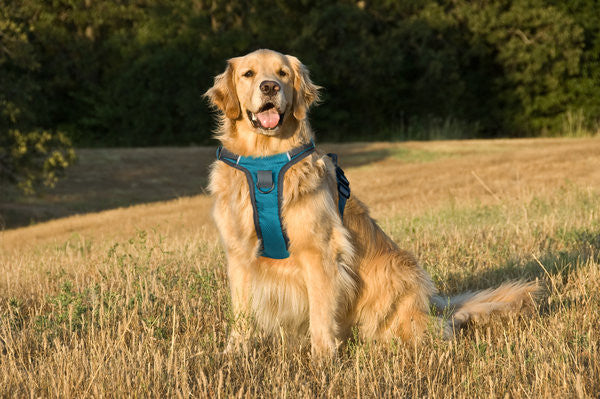
- Use an adjustable harness to give comfort
- Use a front-clip harness, the right tool for pulling control
- Stander dog leash
- Use a 4-6 feet leash
What to avoid:
- Collapsible dog leashes; they encourage pulling
- Leashes with long length; they reduce control
Using the right method and tool will help you to manage your dog on leash effectively from the first day of leash training.
How to Put a Body Leash on a Dog
It’s always been a struggle with beginners to know how to put a body leash on a dog. But it’s very easy if done correctly.
- Place the harness on the ground for setup
- Let your dog/puppy smell it first; sniffing helps; it’s no more a strange thing
- Smoothly help your dog to put front legs into the harness
- Gently pull the harness up and secure it
- Adjust it so it will fit properly, snug but not tight, on the straps
- Now attach the dog leash
Adjust it so you should be able to fit two fingers between the harness and your dog’s body.
What to do after:
- Let the dog or puppy walk around indoors
- Reward good behaviour with every round
All this builds trust and comfort so your dog will accept being a dog on a leash.
When to Start Leash Traning
- The best age to start leash traning is:
- Begin at 8 weeks or in the early days when reached home
- What to do:
- Use the harness daily (put it on)
- Don’t let a dog leash be free for small indoor walks
- Don’t pull or run; let your puppy move freely
This traning will help your dog to build confidence and prevent fear of being a dog on a leash.
How to Teach a Dog to Walk on a Leash
- Beginner Practical Method
If you’re struggling with how to teach a dog to walk on a leash, this simple Method is very effective.
- Indoor Walking
- Put on the harness, attach the dog leash
- Walk slowly around the corners
- Call your dog or puppy’s name
- Treat good when they follow commands
- 2-3 times daily
- 5-10 min small sessions
The main aim is to make your dog calm when on a leash.
- First outdoor walk
- Select the best environment
- Don’t hold the dog leash tightly
- Smooth walks
- Reward every few steps of the walk
This will train your dog to stay close and improve the habit.
- Build Walking Behaviour
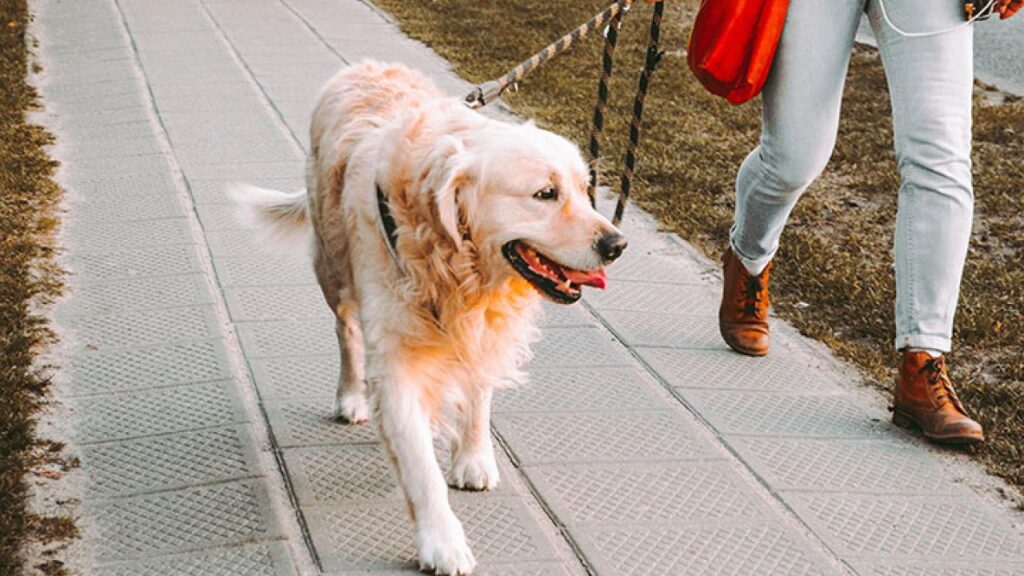
- The dog leash should be loose while walking
- Treat good, calm walking
- Immediately stop the walk when start pulling
This trains your dog to be relaxed during walks and follow your space.
How to Train a Dog to Walk on a Leash (Core traning System)
This is the advanced method to train your dog.
- Stop-and-Go Technique
- Walk forward
- When the dog pulls, stop there
- Don’t start immediately; wait for the leash to loosen
- Start walking again
Train your dog that pulling is not correct and improve behaviour.
- Direction Change Technique
- While walking, the dog pulls ahead
- Change the path and turn in the opposite direction
- Call your dog with the name or come phrase
- When your dog follows your commands, reward good behaviour
Improves habits to follow commands and good behaviour.
How to Stop Dog Pulling on a Leash
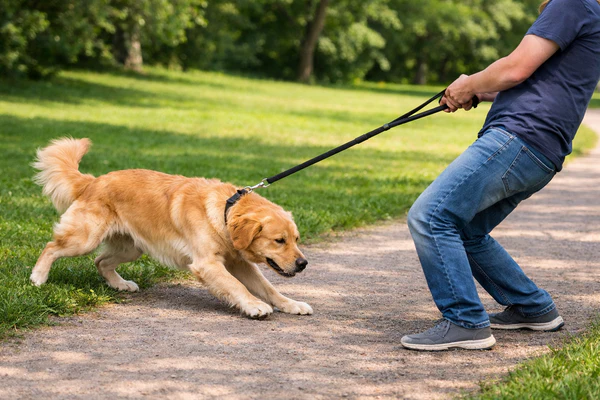
In every dog traning, this is one of the challenging things faced by everyone.
- Do Not Reward Pulling
- Stop the walk when your dog starts pulling
- Don’t move forward; stop on the spot
- Start again when the leash loosens
- Consistency
- When pulling starts
- Stop
- Tell him it’s incorrect
- Reset
- Start again only when calm
- Treat Good Behaviour
- When your dog stops pulling, and the leash becomes loose, give a reward
- Praise calm walking, like good boy, or good girl
This is the quickest way to solve how to stop a dog from pulling on a leash.
Common Issues and Solutions
- Puppy is not interested in walking
- Using rewards to continue walking
- Treat to guide path
- Keep walking sessions short
- Walk backwards, stop
Solutions:
- Use a quality dog leash
- Check harness comfort
- Return to indoor walks
This helps your puppy feel safe and build bonding.
Dog Gets Distracted
Solutions:
- Use good rewards or high-value treats
- Train in a quiet environment
- Increase distraction with time slowly
Daily Traning Routine of Dog on Leash
- Morning
Take a short walk in the morning of just 10 mins and practice it with a loose leash.
- Afternoon
Prefer indoor traning with a dog leash.
- Evening
Take a 15-min walk in the evening and add distraction.
- Consistency builds a well-trained dog on leash.
Practical Tips for Faster Outcomes
Things to Do:
- Stay calm, be gentle
- Stay consistent
- Keep leash loose
- Reward good behaviour
- Treat immediately
- Stop force traning
What Should Not Be Done:
- Rude Behavior
- Pulling the leash
- Inconsistency
- Skipping schedules
How Long Does Training Take
Timeline:
- Your dog will gain a basic understanding in the 1st week
- In the next 2-3 weeks, you should focus on less pulling by using the above methods.
- For a good walking habit, it will take about a month.
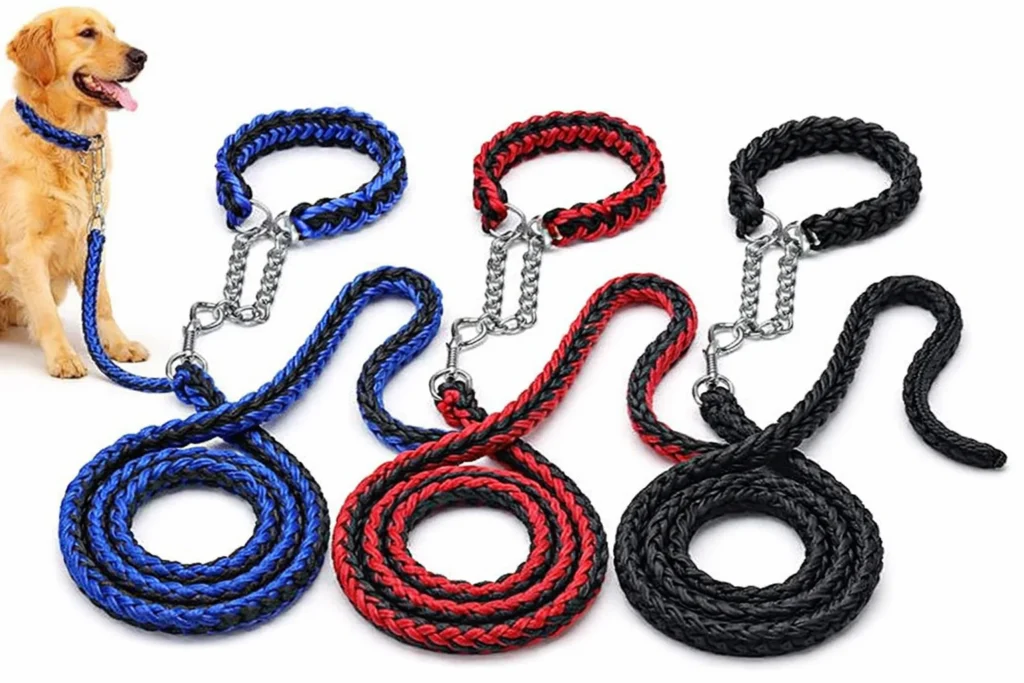
Best Dog Leashes for Training
Selecting the correct dog leashes improves the training results.
What to choose:
- Stander nylon dog leash
- Front-clip harness
- Adjustable training leash
What not to choose:
- Collapsible dog leashes
- Bigger length uncontrolled leashes
Advanced Training (Heel Walking)
- Hold rewards or treats near your leg
- Say “Heel”
- Walk smoothly and slowly
- Always reward good behaviour and correct position
FAQ’s
How to teach a dog to walk on a leash?
How to train a dog to walk on a leash?
How to stop a dog from pulling on leash?
How to put a body leash on a dog?
What are the best dog leashes?
Conclusion
It takes time, perseverance, and the right equipment to teach a dog to walk on a leash. If your dog pulls, keep in mind:
The three basic steps of how to stop a dog from pulling- stop, reset, and reward are the key to preventing dogs from pulling on leashes.
Your pet can become a peaceful, obedient, and content dog on a leash with daily training, the correct attitude, and the appropriate use of dog leashes.
Leave a Reply