
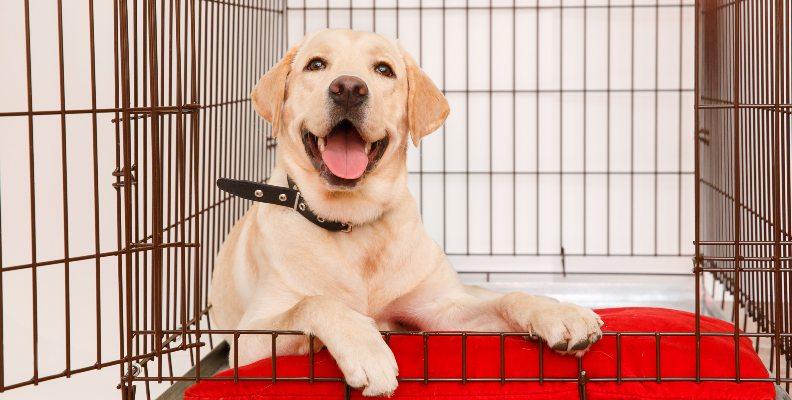
Golden Retriever Crate Training
Golden Retriever crate training is one of the most wanted skills every dog owner should teach their dog from an early age. Whether you’re bringing home a new golden retriever puppy or adopting an older dog, a well-structured crate training plan can help with housebreaking, guarding against destructive behavior, and creating a safe place where your Golden Retriever puppy or dog feels comfortable and secure.
Many Golden Retriever owners struggle with questions such as how to crate train a Golden Retriever, how long to crate train a Golden Retriever puppy, and when to stop crate training a Golden Retriever. Many others face common problems like a Golden Retriever puppy crying in the crate, refusing to enter the crate, or having issues sleeping through the night. Fortunately, these problems can be solved with the right approach and a consistent training routine at an early age.
In this detailed guide, you’ll learn everything about crate training a Golden Retriever puppy, selecting the best crate for a Golden Retriever puppy, creating a crate training schedule, and avoiding common mistakes that slow progress.
What Is Golden Retriever Crate Training?
Golden Retriever crate training is the process of teaching your dog to view a crate as a safe, comfortable home and a positive place. When introduced correctly, and train your dog with proper training, the crate becomes your dog’s personal den where they can relax, sleep, and feel secure.
Dogs naturally prefer enclosed spaces for rest, which makes crate training especially effective for Golden Retrievers. A properly trained dog will happily enter the crate, remain calm while inside, and use it as a place to relax and sleep.
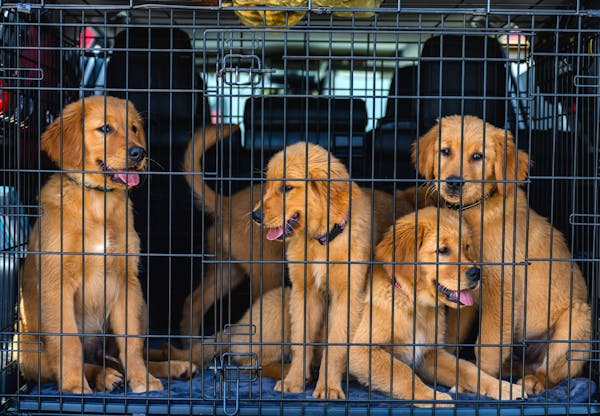
Benefits of Crate Training
- Helps with Golden Retriever potty training and housebreaking
- Guards against destructive chewing
- Creates a safe sleeping environment or place to unwind
- Makes travel easier in and out
- Builds independence and good behavior
- Supports daily routines to be well-trained
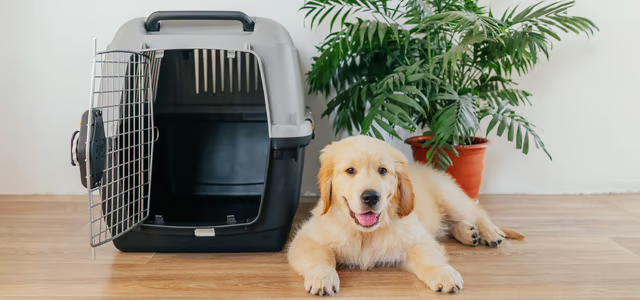
Why Crate Training a Golden Retriever Puppy Is Important
Many first-time owners neglect the importance of crate training a Golden Retriever puppy. Puppies are naturally curious and can get into trouble when left unsupervised. A crate helps keep them safe from trouble while teaching important daily routine skills.
Crate training is also used for a very important skill or training: Golden Retriever potty training. Because dogs naturally avoid soiling their sleeping area, they learn bladder control faster when crate training is done correctly during daily routine.
In addition, crate training can help prevent unwanted behaviors such as making fur dirty, chewing furniture, barking excessively, and developing separation anxiety.
Best Crate for a Golden Retriever Puppy
Selecting the best crate for a Golden Retriever puppy is important for successful training.
The ideal crate should:
- Allow your puppy to stand properly and comfortably
- Provide enough room to turn around to lower anxiety
- Include proper ventilation for fresh air
- Be durable and secure to control the energy, coz golden retriever are very energetic
- Have a divider section for growth
Many owners ask about the proper crate size for a Golden Retriever puppy. Since Golden Retrievers grow faster, a large crate with an adjustable divider will always be the best and most cost-effective choice.
Avoid crates that are too big in size because puppies may use one corner of the crate as a bathroom, which slows house-training progress and leads to behavioral problems.
Golden Retriever Crate Training Schedule by Age
A regular Golden Retriever crate training schedule can dramatically improve results and speed up the training process.
8–10 Weeks
- Crate after meals, but make sure to take them out first
- Crate during naps; this will provide a safe and secure place for rest
- Potty breaks every 1–2 hours; important for potty training
- Overnight potty trips required; make sure of exact timing
10–16 Weeks
- Increase crate time gradually for more effectiveness
- Begin short absences
- Reward calm behavior immediately
4–6 Months
- Longer crate sessions for complete progress
- More structured routines
- Fewer nighttime potty breaks to teach them control
6 Months and Older
- Most dogs can stay crated comfortably for several hours after complete crate training
- Continue reinforcing positive behavior for a friendly and family dog
- Avoid excessive confinement
Following a reliable Golden Retriever puppy schedule helps create consistency and predictability to make the training more effective.
How to Crate Train a Golden Retriever Puppy Step by Step
If you’re wondering how to crate train a Golden Retriever puppy, follow these proven steps.
Step 1: Introduce the Crate
Place the crate in a common area and leave the door open. Allow your puppy to investigate at their own pace by themselves; no force, no pull and push.
Step 2: Use Treats and Praise
Reward your puppy whenever they enter the crate voluntarily to make them realize they did a good job.
Step 3: Feed Meals in the Crate
Feeding inside the crate creates positive associations and encourages your puppy to view it as a reward point and a pleasant place.
Step 4: Start With Short Sessions
Close the door for a few minutes while your puppy remains relaxed. Gradually increase the duration over time by closing the door and keeping them inside.
Step 5: Practice Alone Time
Leave the room briefly and return before your puppy becomes distressed. Once they got distress, they feel uncomfortable there.
Golden Retriever Crate Training at Night
One of the biggest challenges for owners is crate training a Golden Retriever at night.
To improve nighttime success:
- Provide exercise before bedtime for good sleep
- Offer a final potty break to empty the bladder
- Place the crate near your bed initially for supervision
- Keep the room calm and quiet for calm behavior
Most puppies adapt to nighttime crate training within a few weeks when consistency and proper supervision are maintained.
Golden Retriever Puppy Crying in Crate
A Golden Retriever puppy crying in a crate is a common issue, especially during the first few nights.
Possible causes include:
- Needing a potty break
- Feeling lonely for the first time
- Excess energy; they are very energetic
- Hunger or thirst; feels hungry at short intervals
- Lack of crate familiarity
Avoid rewarding excessive crying by immediately opening the crate door. Instead, ensure your puppy’s needs are met and reward calm behavior.
Golden Retriever Puppy Won’t Stay in Crate
If your Golden Retriever puppy won’t stay in a crate, it’s often because they haven’t developed positive associations yet.
Try these solutions:
- Use high-value treats
- Feed meals inside the crate
- Add favorite toys
- Increase crate time slowly
- Practice crate games
Patience and consistency usually solve this problem with time.
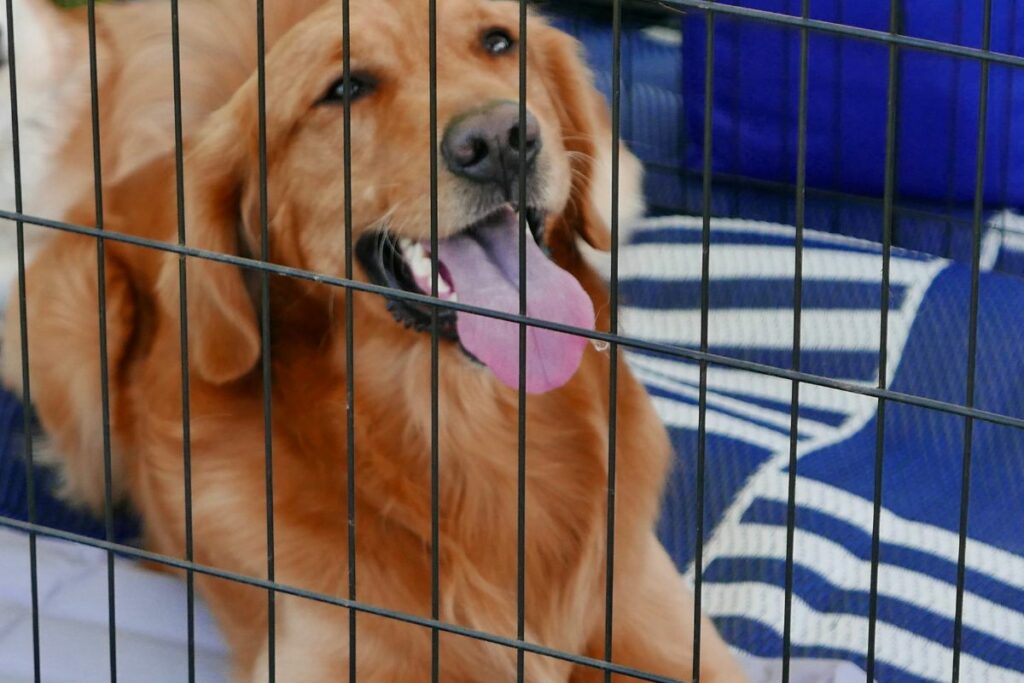
Golden Retriever Crate Training Games
Using Golden Retriever crate games can make training more enjoyable and relaxing.
Popular game options include:
Treat Toss Game
Throw treats into the crate and encourage your puppy to enter voluntarily. No pulling and pushing; just walk in.
Treasure Hunt Game
Hide treats inside the crate for your puppy to discover. They like to do things like that.
Toy Surprise Game
Rotate toys regularly to keep the crate interesting. New toys create joy.
These games help to build positive emotions around crate use.
How to Make a Golden Retriever Like Its Crate
Many new owners ask how to make a Golden Retriever like its crate.
The key is creating positive experiences inside the Golden Retriever crate training.
You can achieve this by:
- Feeding the best meals inside the Golden Retriever crate training
- Offering special treats when the puppy is inside the crate
- Providing comfortable bedding and accessories
- Giving chew toys and soft toys
- Using praise frequently, such as ” good boy or good girl
Never use the crate as punishment, as this can create fear and resistance.
Golden Retriever Crate Training: An Adult Golden Retriever
While puppies often learn faster, crate training an adult Golden Retriever is completely possible.
Adult dogs may require:
- Slower introductions in training
- More patience and time
- Consistent rewards and good treats
- Short training sessions for better understanding
Many adult dogs eventually come to enjoy having their own quiet space.
Golden Retriever Separation Anxiety Crate Training
Golden Retriever separation anxiety crate training can help some dogs feel more secure, relaxed, and anxiety-free when left alone.
However, crates should not be used to force anxious dogs into isolation. Instead, focus on:
- Gradual departures
- Positive reinforcement for good behavior
- Interactive toys and rewards
- Predictable routines and understanding trainings
For severe cases, professional training assistance may be beneficial.
Golden Retriever Crate Training and Potty Training a Golden Retriever
Many trainers and owners recommend and focus on combining crate training and potty training a Golden Retriever.
The process works because dogs instinctively avoid soiling their sleeping or relaxing area.
To gain more success in Golden Retriever crate training:
- Take your puppy outside for a walk immediately after crate time
- Reward successful potty breaks and praise good behaviors
- Maintain a consistent schedule and short sessions
- Supervise closely between crate sessions and use the right time, right step
This combination often speeds up house-training significantly and more effectively.
Common Golden Retriever Crate Training Mistakes
Avoiding common Golden Retriever training mistakes can make crate training much easier and simpler.
Using the Crate as Punishment
This creates negative associations and slows progress. Builds fear and rejections trainings.
Moving Too Fast
Gradual progress is more effective than forcing long crate sessions. Too fast sessions creat confusions and overload.
Lack of Exercise
Golden retrievers are very energetic dogs. A puppy with excess energy is less likely to settle calmly.
Inconsistent Schedules
Dogs thrive on routine and predictability. Not being consistent can change routine and make it useless.
When to Stop Crate Training a Golden Retriever
One of the most common questions is when to stop Golden Retriever crate training.
Most dogs can transition away from regular crate use between 12 and 24 months of age.
Signs your dog may be ready include:
- Reliable house training and outputs
- No destructive behavior, safe and easy to handle
- Calm behavior when left alone anytime
- Consistent obedience, obeying commands easily and anywhere
Even after training ends, many Golden Retrievers continue using their crate voluntarily.
Crate Training a Rescue Golden Retriever
A rescue Golden Retriever crate training: patience and time become even more important here.
Rescue dogs may have unknown histories and may initially fear confinement. Focus on building trust through rewards, praise like good boy or good girl, and gradual exposure.
Never force, pull, or push a rescue dog into a crate, as this can damage confidence, build fear, and slow the adjustment process.
FAQ’s
How long does it take to crate train a Golden Retriever puppy?
Most puppies show great progress within a few weeks or a month, but complete training may take several months depending on consistency, training methods, timing, and temperament.
What is the best crate size for a Golden Retriever puppy?
The crate should allow your puppy to stand easily, turn around whenever they want, and lie down comfortably without excessive extra space.
Can crate training help with potty training?
It’s a big yes. Crate training is one of the most important tools for housebreaking because dogs naturally avoid soiling their relaxing or sleeping area.
Should my Golden Retriever sleep in a crate?
Yes, why not? Many new owners find that Golden Retrievers sleeping in a crate helps establish healthy routines, good and calm behavior, and improves nighttime behavior.
Is crate training cruel?
No. When done correctly and easily, crate training provides security, comfort place, and structure rather than punishment.
Conclusion
Golden Retriever crate training is one of the most important investments you can make in your dog’s future behavior and well-being. Whether you’re training a Golden Retriever puppy, dealing with an adult Golden Retriever dog, or helping a rescue one adjust to a new home, patience, time, and consistency are the keys to success. By choosing the proper crate size for a Golden Retriever puppy, following a structured Golden Retriever crate training schedule, and avoiding common mistakes, you can help your dog view the crate as a safe, secure, and comfortable place. Over time, your Golden Retriever will willingly use the crate as their personal den, making daily life easier and more enjoyable for both of you.
Leave a Reply