
Golden Retriever Health and Grooming
Learn everything about Golden Retriever health and grooming, common health issues, shedding, lifespan, coat care, grooming tips, diet, and exercise. One of the most loved and family-friendly dog breeds in the world is the Golden Retriever because of their intelligent nature, loyalty, and shiny coat. These breeds need proper care to stay healthy for a long lifespan. It is very important to understand golden retriever health and grooming for an owner to raise a strong breed or a pet.
From maintaining coat quality, monitoring lifespan, and managing shedding, every point plays an important role in a healthy life and well-being.
In this detailed guide, you will understand everything about golden retriever grooming, lifespan, and overall care. With proper steps and the right knowledge, you can prevent health issues and ensure your dog lives a long and healthy life.
Golden Retriever Lifespan and Overall Health
Golden Retriever Lifespan
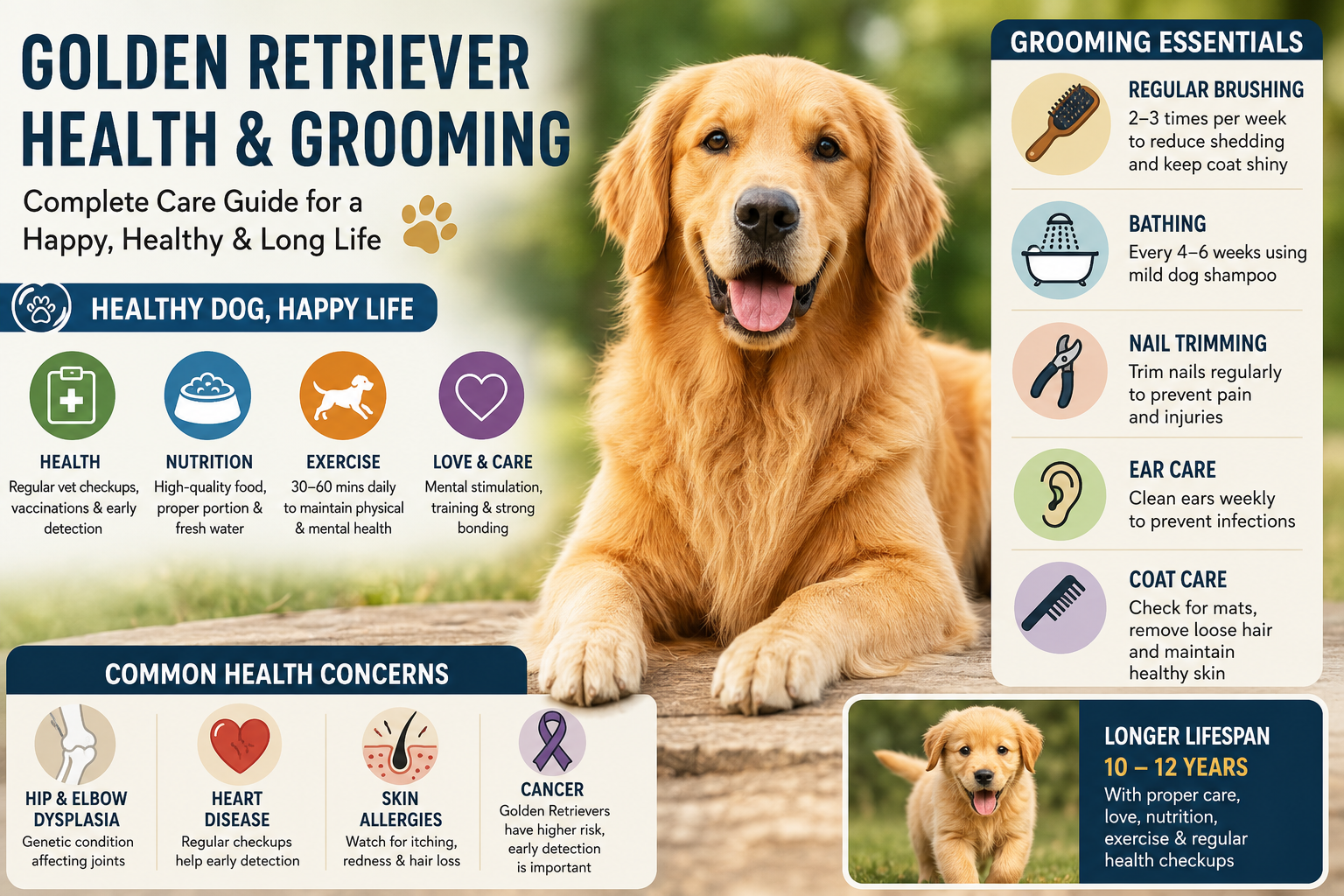
The average lifespan of a golden retriever ranges between 10- 12 years, and sometimes it ranges to 15 years with elite care.
Factors like:
- Diet
- Exercise
- Genetics
- Healthcare
Play a major role in a long and healthy lifespan.
Golden Retriever Life Expectancy
For every dog breed, the golden retriever life expectancy totally depends on how well the breed is cared for.
It includes:
- Proper Nutrition
- Physical Activity
- Regular Vet Checkups
Preventive care is always better than treatment. Providing proper exercise and focusing on a healthy weight is very important.
How Long Do Golden Retrievers Live
Many owners ask, how long do golden retrievers live in real conditions. It varies on:
- Health Management
- Genetics
- Regular Vaccinations
- Early Detection of Diseases
- Providing a stress-free environment
Golden Retriever Health Issues
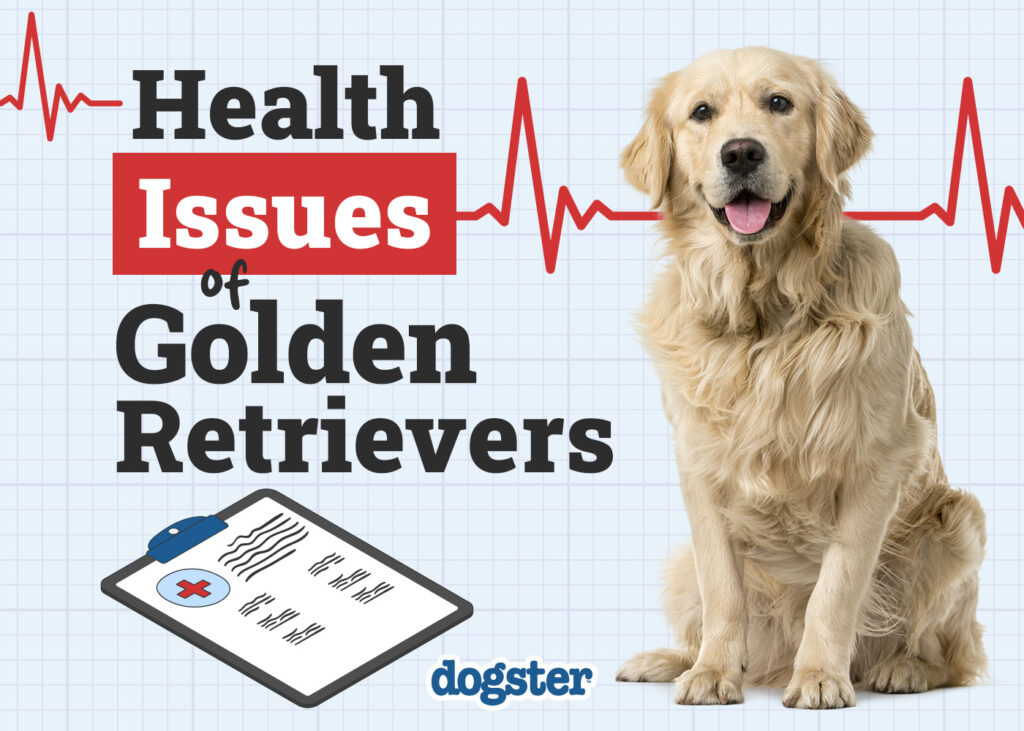
These breeds are generally healthy but can be prone to certain problems.
This includes:
- Joints problems
- Skin Allergies
- Obesity
- Digestion issues
Looking for daily behavior helps to prevent these issues. They are active breeds and need daily exercise. Daily exercise lowers the risk of many health problems. There should be a balanced diet for maintaining overall health.
DO Golden Retrievers Shed?
- What is shedding?
If you are looking for, do golden retrievers shed? The answer is yes; they do. They are average heavy shedders. They have a double coat, and it sheds throughout the year. The shedding depends on seasonal changes. Shedding increases during spring and fall. So, don’t worry; it’s totally normal behavior.
Why Does Shedding Happen?
This is a natural process, and it happens to remove old or damaged hair and allows new hair to grow.
Factors like:
- Diet
- Health
- Environment
- Low-quality nutrition
Can affect shedding level. So do proper care to prevent unnecessary shedding.

How to Manage Shedding?
- Regular Brushing
It controls shedding. It removes loose hair and keeps the coat clean. Using the right tool is very important. Bathing your dog on a routine occasionally helps reduce loose hair.
Golden Retriever Grooming Guide
To keep your dog clean and healthy, a proper golden retriever grooming routine. It’s not all about appearance; it also looks for skin problem and infection or diseases. A proper grooming improves coat health and prevents shedding. This builds a strong bond between dog and owner. So golden retriever grooming should be your weekly routine.
Bathing Routine
Cleanliness is one of the most important points here to keep your dog fresh and active. But keep in mind that overbathing can damage the coat. Follow a proper schedule and bathe your dog every 4-6 weeks. Choosing a good shampoo helps to prevent skin irritations. Make sure your dog is completely dry after taking a bath.
Nail and Ear Care
- Regular nail trim
Prevents discomfort and injury
- Nails should be short
Long nails can affect the dog’s walking posture
- Clean ears always
Prevent infections and diseases
- Floppy ears
Having floppy ears can trap moisture, so clean properly
Golden Retriever Grooming Difference (Colors, Mixes)
Golden retriever has different shades, often referred to as golden retriever colors. These colors include cream golden retriever and darker red tone. Each color has slight differences in coat texture and appearance. Understanding all this helps in grooming.
- Black golden retriever
- They are dark-coated
- 2-3 times weekly brushing
- Use a slicker brush
- Use an undercoat rake
- Focus on removing mats
- Trim paw pad hair
The grooming of a black golden retriever also depends on coat type inherited from the parent breed.
- Red Golden Retriever
- Focus on managing dense coat
- Regular brushing
- Deshedding
- Trimming feathering
- Use a slicker brush
- Undercoat rake
- Bathing 4-6 weeks
- Use moisturizing shampoo
- Trim grinch feet
- Trim Tail feathers
- Never shave
This will help to keep the coat tidy, shiny, and clean.
- English cream golden retriever
- They have a thick coat
- Bi-weekly brushing (2-3 per week)
- Look for mats
- Clean behind the ears
- Clean feathered areas
- Use a metal comb and slicker brush
- Trim fur between toes
- Use quality shampoo
- Trim nails
This thick coat requires more grooming and helps to enhance coat beauty and health.
- Cream Golden Retriever
- Light and soft coat
- Clean feet, ears, and tail
- Trim feathering on ears, feet, and tail
- Use thinning shears
- Use slicker and metal comb
Skin and Coat Health
For healthy and beautiful fur, healthy skin is very important. This all can be achieved by quality food and allergy-free nutrients. A regular grooming schedule can help to prevent issues related to skin and health.
Looking for signs like:
- Itching
- Redness
- Hair loss
- Laziness
Early grooming can prevent serious conditions. Using high-quality dog food helps to maintain coat health and prevent skin problems. Don’t use human shampoos and harsh chemicals. Hydration is a very important factor here.
Exercise and Its Impact on Health
Golden retrievers are very active dogs and need regular exercise. Regular exercise plays an important role in maintaining golden retriever lifespan. Happy and healthy dogs are always active. Mental and physical health needs:
- Daily walks
- Playtime intervals
- Activities
Poor exercise can lead to obesity and bad behavior. Golden retrievers are overactive dogs. 30-60 mins of daily exercise is required to match their energy level.
Activities like:
- Running
- Fetching
- Swimming
- Long walks
Exercise can improve overall well-being.

Diet and Nutrition for Health
Golden retriever life expectancy is directly affected by a balanced diet.
Proper nutrition supports:
- Energy
- Growth
- Immunity
- Prevents obesity
Use only high-quality food for your dog; it helps them grow healthy and always keep them active. Avoid feeding harmful human foods. One more thing you should focus on is portion control. This prevents obesity. Healthy feeding improves long-term health.
Regular Vet Care
Before feeding your dog or giving self-treatment, always consult a vet to make sure it’s right for your dog. Vaccinations protect against diseases. Regular checkups detect health problems.
Another point to focus on is dental care. Looking for good dental care can prevent infections. Brushing teeth regularly improves overall health.
Vaccinations for Golden Retriever:
- Core vaccines (Rabies, DHHP/DHLPP)
- NON-CORE vaccines are:
- Bordetella (kennel cough)
- Lyme Disease
- Canine Influenzas
- Puppy boosters
- 6-8 Weeks
- Adult boosters
- Requires Annually
- Every 3-Years
Mental Health and Well-Being
Like physical health, mental stimulation is also important. Bored breeds can develop bad behaviors and can be destructive. Engage them with toys and traning to raise a good, well-behaved dog breed. Take them out for social interaction to improve emotional well-being.
Understanding Golden Retriever Health Issues in Detail
Although Golden Retrievers are considered one of the healthiest family dogs, they are not free from medical conditions. Knowing the common Golden Retriever health issues allows owners to detect warning signs early and seek veterinary treatment before a condition becomes serious.
Most health problems develop gradually over time rather than appearing suddenly. Regular veterinary visits, proper nutrition, exercise, grooming, and maintaining a healthy weight can significantly reduce the chances of many illnesses. Owners should also pay close attention to changes in appetite, sleeping habits, activity level, skin condition, or behavior, as these are often the first signs that something may be wrong.
A healthy Golden Retriever should have bright eyes, clean ears, a shiny coat, good energy levels, and a healthy appetite. If any of these begin to change, it may indicate an underlying health issue that requires attention.
Some common golden retriever health issues include:
- Hip Dysplasia
- Elbow Dysplasia
- Arthritis
- Ear Infections
- Skin Allergies
- Hot Spots
- Obesity
- Heart Disease
- Eye Disorders
- Hypothyroidism
- Cancer
Understanding these conditions helps owners provide better long-term care and improve their dog’s quality of life.
Common Golden Retriever Health Problems Every Owner Should Know
Many people search online for golden retriever health problems when they first adopt this breed. While the keyword contains a spelling mistake (“heath” instead of “health”), it commonly appears in search engines, making it useful to include naturally in your article.
Golden Retrievers are generally active, intelligent, and strong dogs, but like all large breeds, they are genetically prone to certain medical conditions. Genetics play a significant role, but lifestyle choices can either increase or decrease the risk.
Some of the most common golden retriever health problems include:
Hip Dysplasia
Hip dysplasia occurs when the hip joint develops improperly, causing the bones to rub against each other instead of moving smoothly. This eventually leads to pain, stiffness, and arthritis.
Signs include:
- Difficulty standing up
- Limping
- Reluctance to jump
- Bunny hopping while running
- Reduced activity
Maintaining a healthy body weight and providing moderate daily exercise can reduce stress on the joints.
Elbow Dysplasia
Elbow dysplasia affects the front legs and usually develops while puppies are still growing.
Symptoms include:
- Front leg limping
- Swollen joints
- Pain after exercise
- Difficulty climbing stairs
Early diagnosis allows veterinarians to recommend treatments that improve mobility and reduce discomfort.
Obesity
Obesity is one of the most preventable health problems in Golden Retrievers.
Extra body weight increases the risk of:
- Diabetes
- Arthritis
- Heart disease
- Joint injuries
- Reduced lifespan
Owners should measure food portions carefully and avoid excessive treats.
Ear Infections
Golden Retrievers have floppy ears that trap moisture, making them prone to bacterial and yeast infections.
Watch for:
- Head shaking
- Ear odor
- Redness
- Wax buildup
- Scratching
Cleaning the ears regularly helps prevent infections.
Skin Allergies
Skin allergies are extremely common.
Triggers include:
- Pollen
- Dust mites
- Certain foods
- Fleas
- Grass
- Shampoo ingredients
Symptoms often include itching, chewing paws, redness, and hair loss.
Golden Retriever Health Concerns Throughout Different Life Stages
Different ages bring different golden retriever health concerns, so owners should adjust their care routine as their dog grows.
Puppy Health Concerns
Golden Retriever puppies require:
- Vaccinations
- Deworming
- High-quality puppy food
- Controlled exercise
- Socialization
Puppies grow rapidly, so balanced nutrition is essential for proper bone development.
Adult Health Concerns
Adult Golden Retriever health requires:
- Weight management
- Regular exercise
- Annual veterinary exams
- Dental care
- Grooming
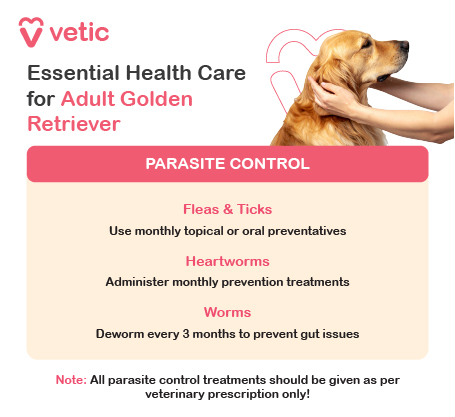
- Parasite prevention
Healthy adults are usually energetic and playful.
Senior Health Concerns
Senior Golden Retrievers often develop:
- Arthritis
- Vision problems
- Hearing loss
- Reduced mobility
- Heart disease
- Kidney disease
Older dogs benefit from softer bedding, shorter walks, joint supplements (recommended by a veterinarian), and more frequent health checkups.
Golden Retriever Health Problems Cancer
Perhaps the biggest concern among owners is Golden Retriever health problems cancer. Unfortunately, Golden Retrievers have one of the highest cancer rates among dog breeds.
Research suggests that nearly 60% of Golden Retrievers may develop cancer during their lifetime, making early detection extremely important.
The most common cancers include:
Hemangiosarcoma
This aggressive cancer affects blood vessels.
Symptoms include:
- Sudden weakness
- Pale gums
- Collapse
- Difficulty breathing
Unfortunately, it often develops silently.
Lymphoma
Lymphoma affects the immune system and lymph nodes.
Signs include:
- Enlarged lymph nodes
- Weight loss
- Reduced appetite
- Lethargy
Treatment often involves chemotherapy.
Osteosarcoma
This bone cancer is more common in large breeds.
Symptoms include:
- Persistent limping
- Bone swelling
- Severe pain
- Difficulty walking
Mast Cell Tumors
These appear as skin lumps that may resemble harmless bumps.
Any unusual lump should always be examined by a veterinarian.
Can Cancer Be Prevented?
While genetics cannot be changed, owners can lower certain risks by:
- Feeding a balanced diet
- Maintaining a healthy weight
- Providing daily exercise
- Avoiding second-hand smoke
- Scheduling routine veterinary checkups
- Monitoring unusual lumps
- Treating illnesses early
Early diagnosis greatly improves treatment options and quality of life.
Signs Your Golden Retriever Needs Immediate Veterinary Care
Recognizing emergency symptoms can save your dog’s life.
Seek veterinary care immediately if your Golden Retriever experiences:
- Difficulty breathing
- Collapse
- Bloody diarrhea
- Repeated vomiting
- Seizures
- Severe bloating
- Inability to stand
- Continuous crying from pain
- Loss of appetite lasting more than 24 hours
- Sudden paralysis
Never ignore sudden behavioral changes, especially in older dogs.
Preventive Health Tips for a Longer Golden Retriever Lifespan
Prevention is always easier and less expensive than treatment. Following a consistent care routine can significantly improve your dog’s overall health and longevity.
Daily preventive habits include:
- Brush the coat several times each week.
- Provide 30–60 minutes of exercise every day.
- Feed high-quality dog food in the correct portions.
- Ensure fresh drinking water is always available.
- Keep your dog mentally stimulated with training and puzzle toys.
- Clean the ears regularly to reduce the risk of infection.
- Brush your dog’s teeth several times a week.
- Maintain a healthy weight to protect the joints.
- Schedule yearly veterinary examinations, or every six months for senior dogs.
- Stay up to date with vaccinations, flea prevention, and deworming.
Consistent preventive care not only reduces the risk of disease but also helps your Golden Retriever stay active, comfortable, and happy throughout every stage of life.
FAQ’s
What are the grooming needs of a Golden Retriever?
What are the health concerns for a Golden Retriever?
What is the hardest dog breed to groom?
Golden Retriever grooming chart?
Golden Retriever grooming tool?
Golden Retriever grooming kit?
Final Thoughts
It is important for a long and happy life to take care of your golden retriever’s health and grooming. Proper diet, exercise, and regular grooming all contribute to a better golden retriever life expectancy. Every step matters for grooming a golden retriever, managing shedding, and coat care.
Knowing how long a golden retriever lives helps you focus on long-term care and prevention. Consistency plays an important role in ensuring your golden retriever stays healthy, clean, and full of life.
Leave a Reply